
Royal Latin School's evolving Admissions Policy
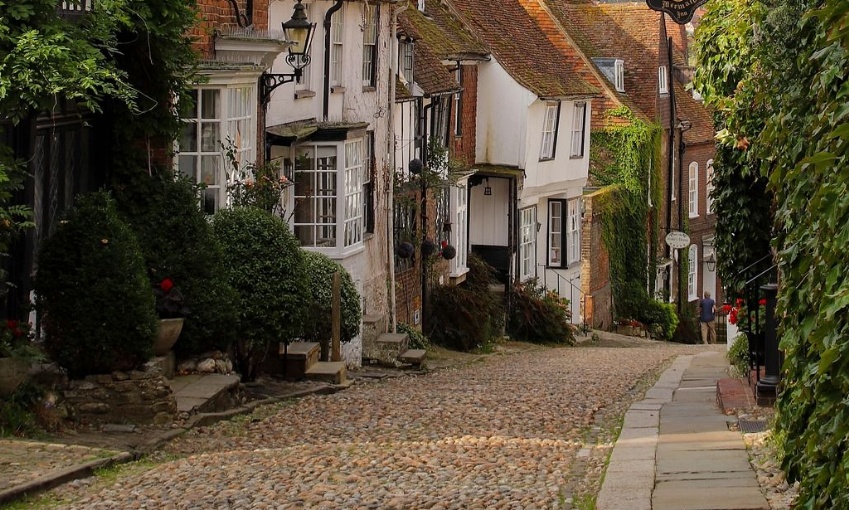
The Grammar School in historic Buckingham is moving with the times to deal with its popularity and serve deserving students, locally.
The Royal Latin School (RLS) is one of the region’s most sought‑after grammar schools. As a selective, high‑achieving state school with a long and distinguished history, RLS consistently delivers academic results that exceed national averages. Students benefit from a broad and engaging curriculum, alongside a strong focus on leadership, character development, and essential soft skills. This combination of excellence and opportunity makes RLS a popular choice for families seeking an outstanding education without private school fees.
So, it is no surprise that, say for entry in Year 7, places are always over-subscribed. This means that more students qualify by passing the 11+ selection test than the school can grant a place to. A standardised score of 121 and above is a pass in Buckinghamshire.
Then it becomes a case of granting places in order of priority based on the school's admissions criteria.
State of Play
Parents wanting to send their child to RLS need to pay close attention to the Admissions Policy. It is the case that the policy for entry in 2027 is in draft stage and some changes have been proposed which may impact parents.
It is useful to compare the prioritised criteria, over time, that determine how the places are allocated to the students who pass the 11+ entrance test.
Places are allocated based on the criteria, starting with the top one and working down until there are no places left. These are specific to RLS.
| Criteria in priority order | 2025 | 2026 | 2027 |
|---|---|---|---|
|
Children in care |
1 |
1 |
1 |
|
Catchment |
2 |
2 |
5 |
|
Siblings (current pupils) |
3 |
3 |
6 |
|
Children of school staff |
4 |
4 |
4 |
|
Exceptional needs |
5 |
5 |
7 |
|
Pupil Premium |
6 |
6 |
2 |
|
Lower scoring (110–120 or 115–120)* |
7 |
7 |
3 |
|
Siblings of former pupils |
8 |
8 |
— |
|
Distance order |
9 |
9 |
8 |
* For 2025 & 2026, following a Selection Review, 6 places were/are allocated for students scoring 1110 to 120. This is proposed for changing to 12 places for a score 115 to 120 for 2027. There are further details for this category which must be followed through when making decisions.
Key Observations
So, for 2025 and 2026 entry the order is unchanged and with catchment and sibling status given strong priority after children in care.
There are significant changes proposed for 2027.
Pupil Premium has been moved up, indicating a stronger emphasis on supporting disadvantaged students.
Lower scoring applicants are also moved up , especially those with additional needs.
Catchment has dropped to 5th position, but historically, students in catchment have always been given a place and the hope is that it continues.
The striking thing is that 'siblings of former pupils' category is removed. However, it is irrelevant because it was way down in priority and no places were given under this in 2025 (see below).
It is important to wait for the final policy resulting from this proposal.
In practice, how many places are allocated?
The Admissions Policy is the guidance, but in reality the school can only work down the criteria until all places are filled.
For 2025, 174 places were given for Year 7. All students were offered under rule 2 (catchment) and some under rule 3 (current siblings) to a distance of 7.459 miles. The point to note is that the school had to apply distance for even those under the 'siblings' category. These two are the general categories and places given for special needs are individual and not mentioned here.
We only have data for the 2025 entry and for the other years, we can only surmise as nobody knows the future; there are many factors: how many people move into the catchment, how many students pass, what is the mix of students who fall within the different categories etc.
Every family's situation will be different. The most important thing to do is to inform yourself in a timely manner before making decisions for this, undoubtedly, important phase of a child's life.
Warning: This article is for general guidance; you must check and confirm exactly the facts that apply to your circumstances, with the school and the local authority, at the relevant time.